A Slender and Speckled Migrant
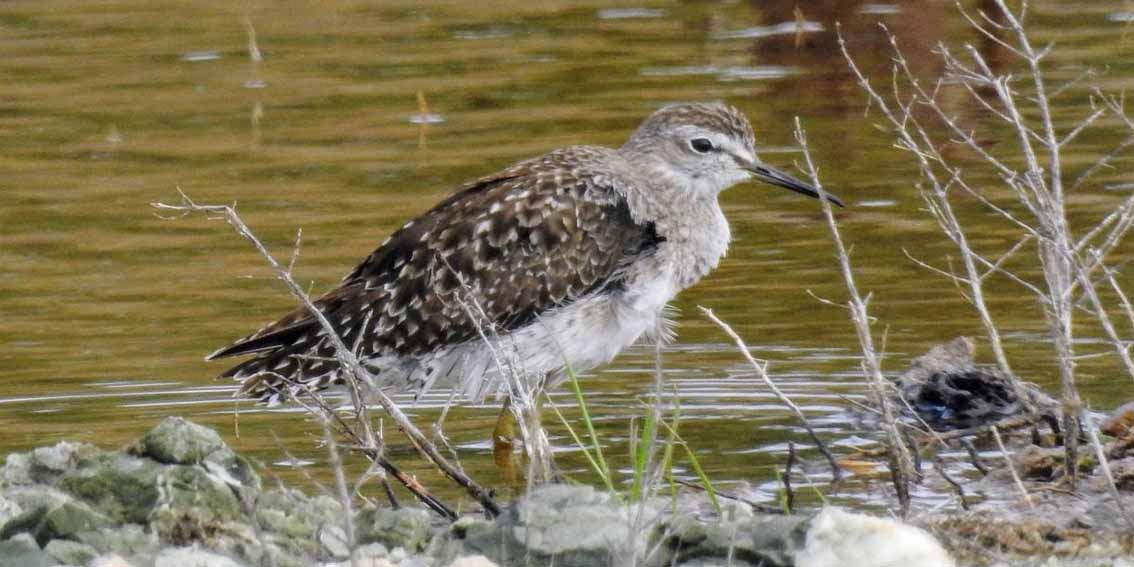
The Wood Sandpiper (Tringa glareola) is a graceful, medium-sized wading bird that graces Cyprus' wetlands during its long migrations. This elegant bird sports a slender, straight bill and long, yellowish legs. Its plumage is a crisp combination of brown and white, with a pale underside and dark, white-spotted upperparts that provide excellent camouflage amongst wet meadows and mudflats. In flight, the Wood Sandpiper reveals a key identifier: a distinct white rump and no wing-stripe, contrasting with similar species.
A Journey Through Cyprus
The Wood Sandpiper is not a resident but a critical migratory stopover. These birds breed in the boreal forests and wetlands of Northern Europe and Asia. Each spring and, more prominently, each autumn, they undertake epic journeys to their African wintering grounds. Cyprus, sitting at a major migratory crossroads, provides essential respite. The island's dams, salt lakes, freshwater marshes, and even flooded fields become vital fuelling stations for these tired travellers from August through October.
Behaviour and Feeding Habits
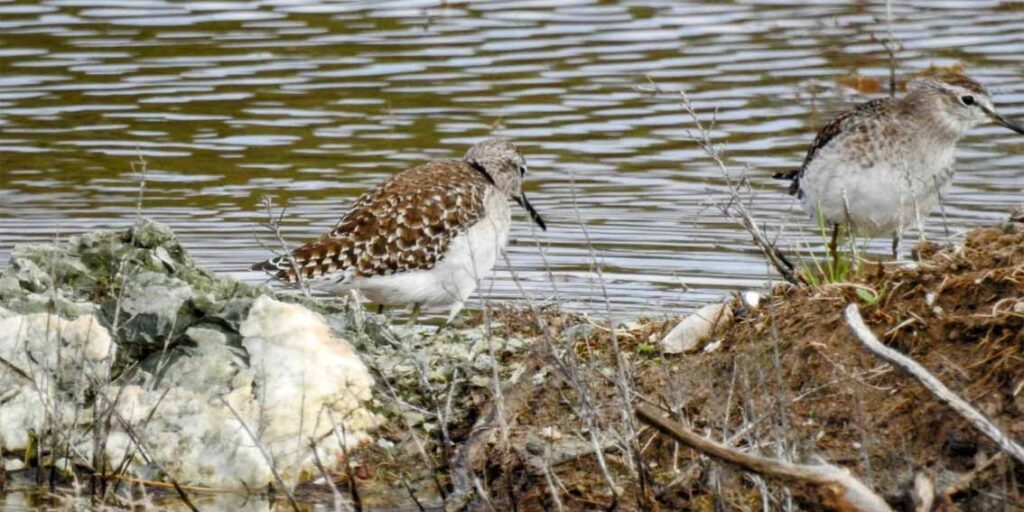
Watch a Wood Sandpiper, and you will see a bird of deliberate, sensitive action. It often feeds alone or in loose small groups, wading in shallow water. Its technique involves a careful walk, punctuated by sudden jabs of its bill into the water or soft mud to snatch invertebrate prey. Its diet primarily consists of insects, larvae, small crustaceans, and worms. The bird's feeding style is less frantic than some shorebirds, giving it an air of focused concentration as it stalks the water's edge.
Preferred Wetland Habitats
Unlike many shorebirds that prefer open coastlines, the Wood Sandpiper favours freshwater or brackish inland wetlands. Key sites across Cyprus regularly host this species. These include the Akrotiri Salt Lake, the dams in the Paphos and Larnaca districts like Achna Dam, and the Paralimni Lake area. They seek out the muddy margins where water levels are receding, exposing rich feeding grounds. The health of these inland wetland ecosystems directly determines the quality of their stopover.
Conservation Status and Importance
The Wood Sandpiper faces threats common to many migratory birds. Habitat loss in its breeding, stopover, and wintering grounds is a primary concern. The degradation or drainage of Cyprus' wetlands for agriculture or development reduces crucial resources. Conservation efforts that protect and manage these wetland habitats benefit the Wood Sandpiper directly. As a species, it currently holds a "Least Concern" global status, but its dependence on a chain of healthy wetlands makes it a valuable indicator of ecosystem health along the entire migratory flyway. For birdwatchers in Cyprus, the sight of a Wood Sandpiper delicately picking its way through a marsh is a classic sign of the vibrant autumn migration.